
Greater Muscle Mass
Increased Energy
Faster Metabolism
About HGH Therapy
- What Is Human Growth Hormone (HGH)?
- What Does HGH Do?
- What is HGH Therapy
- Benefits of HGH Therapy
- Benefits of HGH
- Signs of Aging and Hormone Decline
- How To Get a Prescription for HGH
- Should Women Use HGH Therapy
- HGH Result Timeline
- 1st Month on HGH
- 2nd Month on HGH
- 3rd Month on HGH
- 4th Month on HGH
- 5th Month on HGH
- 6th Month and Onward
- HGH Frequently Asked Questions
What is Human Growth Hormone (HGH)?
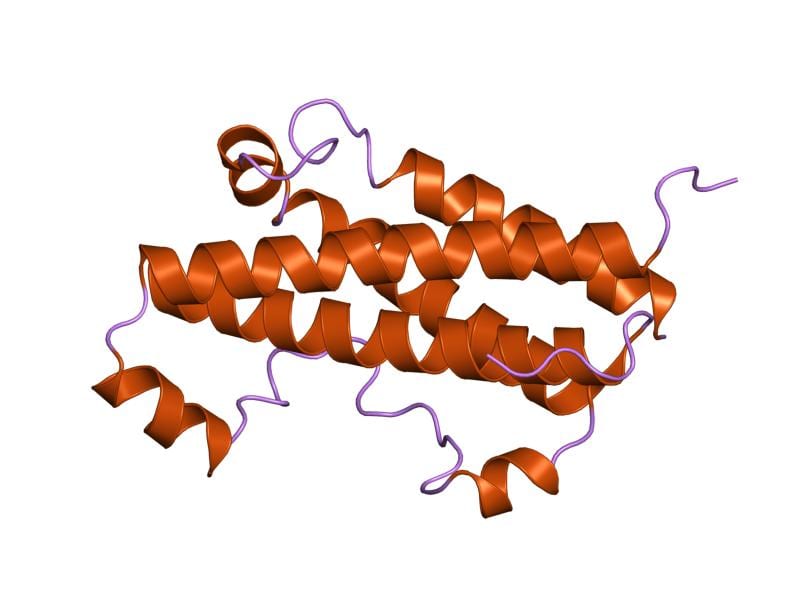
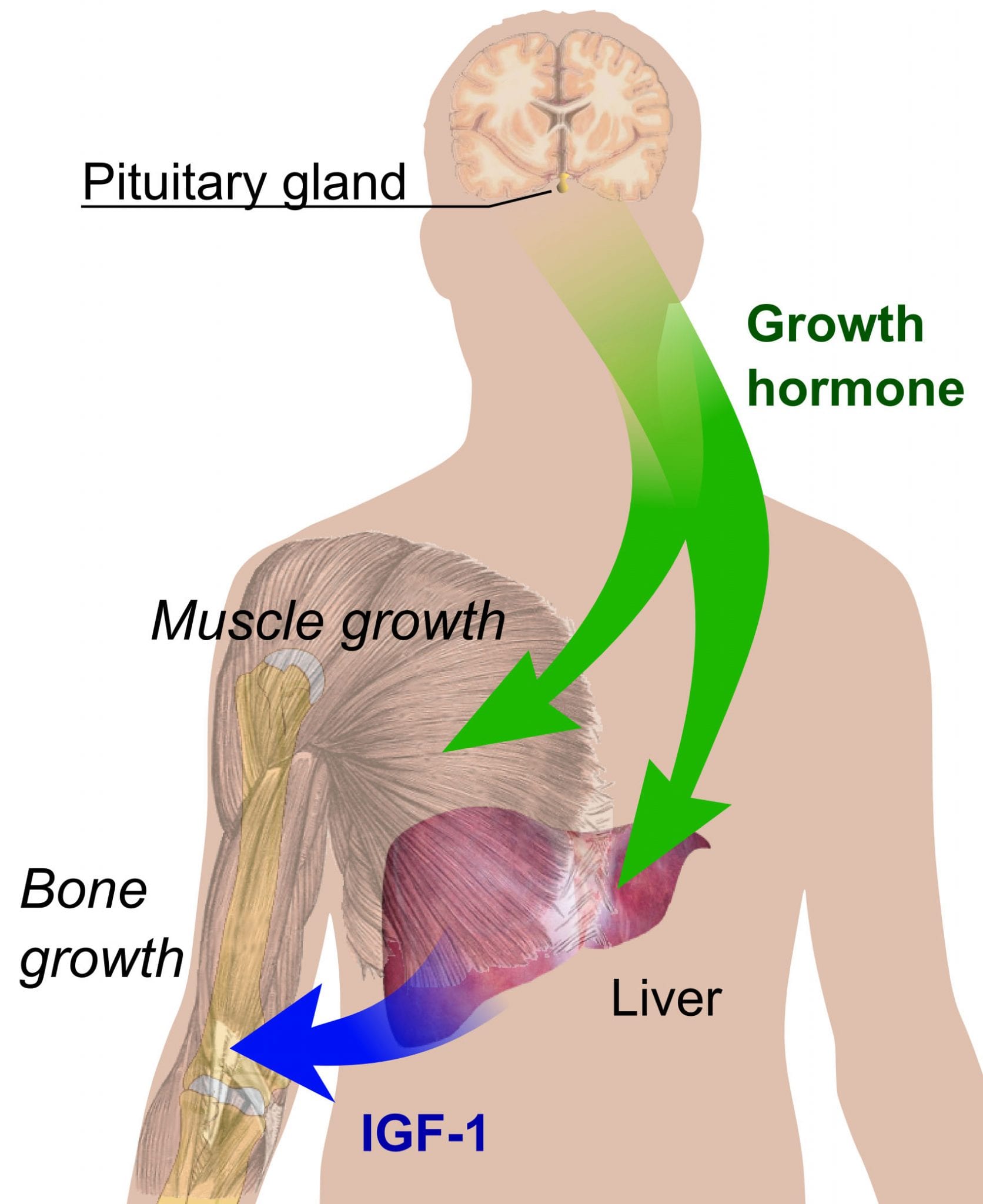
Your pituitary gland rests at the base of your brain and it is responsible for producing many different bodily hormones. One particular hormone will be the human growth hormone or HGH for short. This kind of hormone serves a number of purposes such as improving tissue development by stimulating the formation of protein, resulting in strong bones, growing muscle mass and revitalizing the immune system.
HGH has been used widely used to increase growth and advancement in children struggling with growth hormone deficiencies. In many instances, the child's growth was slowed due to the pituitary gland not generating enough growth hormone by itself.
HGH is prescribed as a powder with a diluting solution to use as an injectable delivery process. These are the only supplements which have been given the green light by the FDA. Sprays and pills that are marketed to improve HGH can be found without a prescription but do not have FDA approval.
What Does HGH Do?
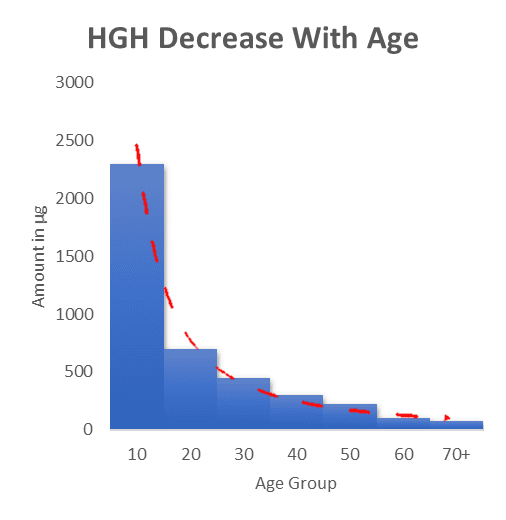
Just like other hormones inside our body, as we age, our hormone levels start to naturally decrease. This is especially true for human growth hormone. It is vital that you understand how hormones inside the body are closely associated with each other, and just how low levels of human growth hormone can impact other hormones through the entire body. It will certainly not be a smart idea to add a hormone to your body without first being familiar with your current hormone levels and how the new hormones will affect your body's chemistry.
Bio-identical human growth hormone, or HGH, is naturally produced and is used to treat hormone imbalance and growth issues in both men and women via bioidentical human growth hormone replacement treatment. You might have some incorrect ideas about HGH, as it regularly gets a poor reputation for its use in professional sports performance enhancement. Human growth hormone is a vital component of your body and a primary hormone which fuels the growth of your tissues. A drop in growth hormone levels can be troublesome for the body’s chance to restore itself from injuries as well as to prevent aging.
What is HGH Therapy?
Hormone replacement therapy is a scientifically proven treatment system that restores HGH to levels achieved as a young adult. The specialists at Optimal provide you with all the supplies necessary for HGH Therapy.
Contrary to popular belief, HGH medication is not the same as HGH therapy. HGH therapy takes a holistic approach at administering HGH, minimizing complications and speeding up results. HGH therapy also comes with continued support and advice from our certified doctors.
Over 50,000 research studies have proven the effectiveness of HGH therapy. These same studies have found minimum health risks to users that use the recommended regimen. Moreover, many studies published in recent years have found that HGH therapy has the potential to reduce weight, increase energy, and maximize muscle mass.
Human growth hormone therapy is the miracle solution to anti-aging. If you want fast, proven results, this is the best treatment option for you.
Benefits of HGH Therapy
Benefits of HGH Include:
-Enhanced Sexual Performance
-Improved Exercise Quality
-Improved Quality of Deep Sleep
-Boost in Energy Levels
-Increased Lean Body Mass
-Strengthened Immune System
-Sharper Memory and Concentration
-Enhanced Feeling of Well-Being
-Tighter, More Hydrated, and Smoother Skin
-Stronger Bones
-Reduction in Cronic Fatigue
-Noralizing Blood Pressure
-Increased HDL (Good Cholesterol)
-Decreased LDL (Bad Cholesterol)
-Reduction in Body Fat
Signs of Aging and Hormone Decline:
-Thinning Skin and Increased Wrinkling
-Decreased Energy and Stamina
-Excess Body Fat
-Lack of Sex Drive and Desire
-Loss of Memory and Focus
-Decreased Kidney Function
-Higher LDL Cholesterol Levels
-Weakening Hear and Circulation
-Hair Loss and Discoloration
-Increased Anxiety and Stress
-Diminished Bone Density
-General Fatigue
How To Get a Prescription for HGH
Optimal Health MD has been providing hormone assistance to both men and woman for more than 20 years. In many cases, women can expect to see more of the cosmetic benefits of hormone replacement therapy than men. Many women fear that HGH therapy will lead to extreame muscle growth, however, this could not be further from the truth. Human Growth Hormone is a rejuvenation hormone that helps return the body to it's youthful state. Only someone taking extreme doses of HGH would encounter abnormal growth. Our hormone therapies simply return your body to the safe levels that it used to produce naturally.
Should Women Use HGH Therapy?
How Long Does it Take to See Results From Growth Hormone Therapy?
Patients should expect to start seeing results within the first month of therapy. Typically, patients in this stage of treatment see fat loss and report better sleep quality. However, most long-term results are experienced after six months of following our hormone replacement regimen. It is important that new patients do not get discouraged if they do not see results immediately. All patients are monitored by our medical team, ensuring maximum results with no harm done to your body.
1st Month on HGH:
Increase in mental sharpness, enthusiasm for life, and a reduction of mild to moderate depression. Higher levels of energy, better results from exercise and weight control efforts. Better sleep
2nd Month on HGH:
Improved muscle tone, enhanced sexual function, improvement in nail growth and skin tone, better digestion, increased strength, and weight loss. Improved hair growth and thickening of hair with a shinier and healthier appearance.
3rd Month on HGH:
Mental processes improve, including desire to do and complete projects, increased muscle size (particularly improved with exercise routine), hair re-growth, reduction in post-menstrual symptoms in women, increased sexual desire, and greater body flexibility.
4th Month on HGH:
Similar to 3rd month: generally improvements are heightened and are more consistent.
5th Month on HGH:
Impressive weight loss, reduction of fat, and muscle tissue increases. Toned improvement to skin texture, reduced appearance of wrinkles, vast improvements in hair growth.
6th Month and Onward:
This is a rather significant stage for women, since cellulite greatly diminishes, the body becomes more contoured, eyesight is improved. Immune system becomes stronger; stronger resistance to colds, flu, and other illnesses. Chronic pains diminish, old wounds have a tendency to heal. Excellent exercise tolerance, reduction in LDL cholesterol and triglycerides, blood pressure returns to normal levels, heart rate improves.